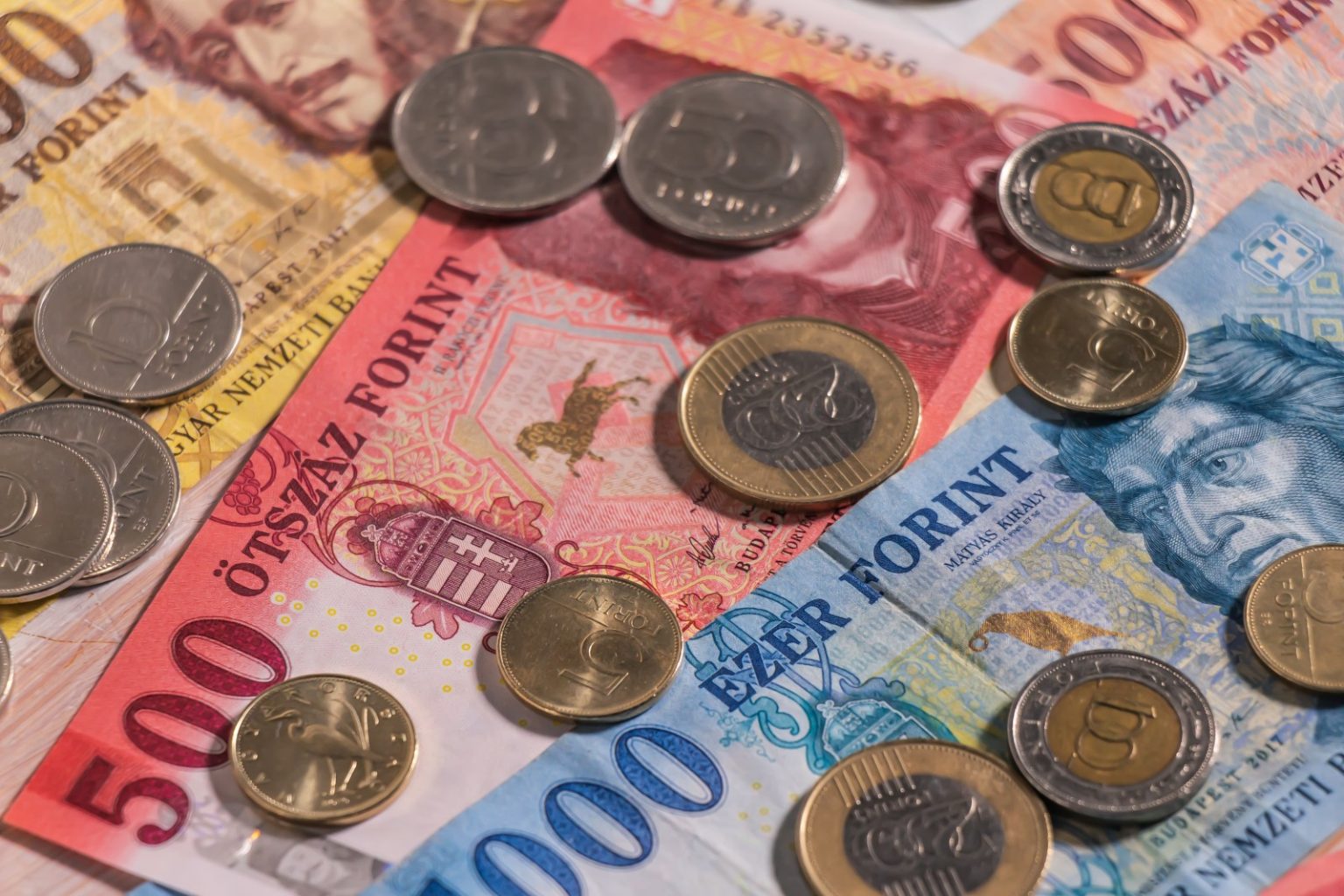
Hungary is part of the European Union, but it does not use the Euro. The official currency is the Hungarian Forint (HUF). It is vital to understand that while prices might sometimes be listed in Euros (especially for rent), all official payments and local transactions will be in HUF.
💸 Smart Money Management Tips for Students
- Exchange Rates are Key: Never exchange money at the airport or main stations; the rates are usually terrible and exchange offices often charge hidden fees. Use local Hungarian bank ATMs (OTP, K&H, Raiffeisen) or reliable money exchange apps (Revolut, Wise) to get the best possible interbank rates.
- ATM Warning (DCC Scam): When withdrawing cash from an ATM with a foreign card, you will often be asked: “Do you want to accept the conversion rate (DCC)?” ALWAYS DECLINE THIS. Choosing “without conversion” or “decline conversion” ensures your home bank (which offers a better rate) handles the exchange, saving you money.
- Payments: Although bank cards are accepted almost everywhere (even in small grocery stores and food trucks), it is always useful to have some cash (HUF) on hand for local markets, small, traditional cafes, or for giving small tips.
Bank Accounts and Fees
If you plan to stay longer than one semester, consider opening a local student account, though most international students rely on digital banking apps.
- Digital Banks: Services like Revolut or Wise are extremely popular among Erasmus students because they offer superior exchange rates and lower fees for international transfers and withdrawals than traditional European banks.
- Renting: When paying rent, your landlord (like Anita’s Apartments) will always require payment in the currency specified in the contract (usually EUR or HUF) transferred to a specific account. Ensure your bank allows these international transfers with low fees.
Understanding the Forint and avoiding common tourist traps will help you manage your budget effectively throughout your stay!
